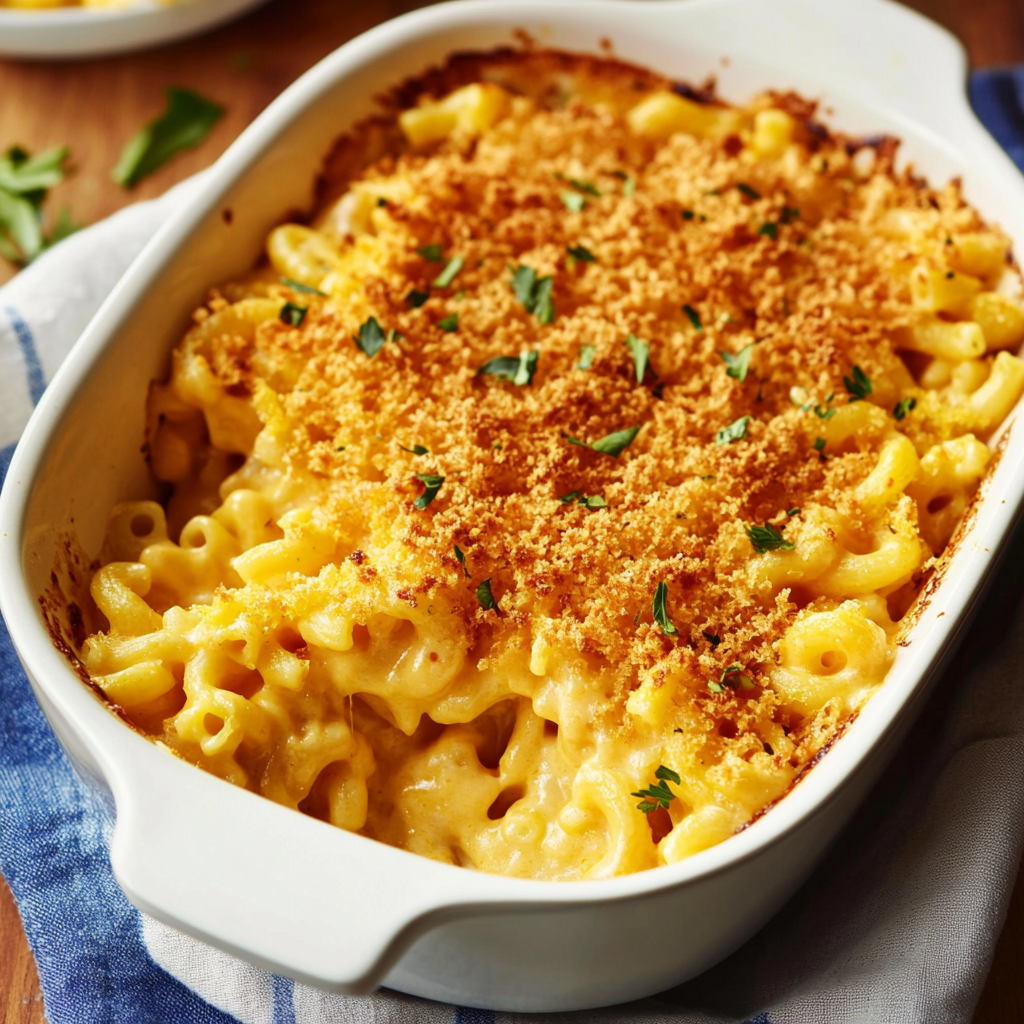
Butternut squash mac and cheese is the absolute best way to celebrate the cooler months with a dish that feels like a warm hug. It brings together the vibrant, slightly sweet notes of roasted squash with the savory depth of aged cheeses, creating a sauce that is velvety and surprisingly nutritious. Whether you are looking to sneak more vegetables into your family meals or just crave a sophisticated twist on a childhood favorite, this recipe is guaranteed to become a permanent fixture on your dinner table.
Creating this meal reminds me of watching my grandmother in her cozy kitchen, where she taught me that the secret to great food is patience and high-quality ingredients. By roasting the squash until it caramelizes, we unlock a natural sweetness that pairs perfectly with the salty bite of pecorino and Gruyere. This butternut squash mac and cheese is not just dinner, it is a comforting experience that brings everyone together for a shared moment of joy.
What is Butternut Squash Mac and Cheese?
Butternut squash mac and cheese is a clever, vegetable-forward upgrade to the classic American comfort food. Instead of relying solely on a heavy roux or processed cheese, this recipe uses a roasted squash puree as the base for a smooth, golden-hued sauce. The squash provides a silky texture that mimics the mouthfeel of heavy cream while adding a boost of vitamins and antioxidants to every bite.
This dish originates from the modern trend of using seasonal produce to elevate pantry staples. It marries the rustic charm of farm-to-table cooking with the indulgence we expect from a baked pasta dish. By incorporating aromatics like shallots, sage, and a hint of nutmeg, the flavor profile becomes complex and earthy, making it a stellar choice for both busy weeknight dinners and special weekend gatherings.
Reasons to Try Butternut Squash Mac and Cheese
You should try this recipe because it strikes the perfect balance between comfort and nutrition. The butternut squash adds a gorgeous, vibrant orange color that makes the pasta look as good as it tastes. It is a fantastic way to satisfy those intense cravings for something gooey and cheesy without feeling weighed down by excessive amounts of flour-based white sauce.
This meal is a life-saver for busy parents because the sauce component can be prepped in advance. You can roast the squash and blend the sauce days ahead of time, meaning that on a hectic evening, you are only minutes away from a bubbling, golden pan of goodness. It is approachable enough for beginner cooks to master, yet impressive enough to serve to guests who appreciate a thoughtful, scratch-made meal.
Ingredients Needed to Make Butternut Squash Mac and Cheese
- 1 large butternut squash (choose one with a firm, unblemished neck)
- 2 shallots, roughly chopped (approx. 2/3 cup)
- 1 pound shell pasta, pipe rigate, or elbows (look for bronze-cut pasta to hold the sauce)
- 1/4 cup extra-virgin olive oil, plus more for drizzling
- 2 teaspoons balsamic vinegar (adds a subtle, bright acidity)
- 1 1/2 teaspoons sea salt
- 1 teaspoon onion powder
- 1/2 teaspoon garlic powder
- 1/2 teaspoon ground sage
- 1/4 teaspoon nutmeg (the secret to bringing out the squash’s sweetness)
- Freshly ground black pepper
- 1 1/2 cups unsweetened almond milk
- 6 ounces grated sharp cheddar cheese (grate it fresh for the best melt)
- 6 ounces grated Gruyere cheese
- 1 1/2 ounces finely grated pecorino cheese (1/2 cup)
- 3/4 cup panko breadcrumbs
- 1 1/2 teaspoons extra-virgin olive oil (for the topping)
Instructions to Make Butternut Squash Mac and Cheese – Step by Step
Step 1: Start by preheating your oven to 425°F. Line a sturdy baking sheet with parchment paper to make cleanup a breeze, and lightly grease a 9×13-inch baking dish. Slice your butternut squash in half lengthwise and carefully scoop out the seeds with a large spoon.
Step 2: Drizzle the cut sides of the squash with olive oil and a generous sprinkle of salt and pepper. Place the squash cut-side down on your prepared baking sheet. Bundle your chopped shallots in a piece of foil with a drizzle of oil and a pinch of salt, wrapping them tightly into a little pouch. Place this on the sheet with the squash and roast everything for 30 to 45 minutes until the squash flesh is fork-tender and fragrant.
Step 3: While the oven does its magic, prepare your crispy topping by tossing the panko breadcrumbs with the olive oil in a small bowl. Set this aside for later. Bring a large pot of heavily salted water to a rolling boil and cook your pasta until it is al dente. Be sure to reserve 1 1/2 cups of that liquid gold—the starchy pasta water—before draining your noodles.
Step 4: Now for the transformation. Scoop 2 cups of the soft, roasted squash flesh into a high-speed blender. Add the roasted shallots, reserved pasta water, olive oil, balsamic vinegar, salt, onion powder, garlic powder, sage, nutmeg, and some fresh cracked pepper. Blend until the mixture is completely smooth and creamy.
Step 5: Return your empty pasta pot to the stove over medium heat and pour in the almond milk. Once it warms up, stir in your squash puree and let it heat through for about 3 minutes. Gradually whisk in the cheddar, Gruyere, and pecorino cheeses in handfuls, waiting for each addition to melt fully before adding more. This keeps the sauce perfectly emulsion-stable.
Step 6: Fold in the cooked pasta, ensuring every shell is generously coated in that silky, cheesy sauce. Transfer the mixture into your prepared baking dish, sprinkle the panko topping evenly over the top, and slide it under the broiler for 5 to 10 minutes. Watch it closely until the breadcrumbs are golden brown and crisp, then let it rest for 15 minutes to set before serving.
Chef’s Tips for a Perfect Result
- Grate your own cheese: Pre-shredded bags are coated in starch that prevents smooth melting, so block cheese is always better.
- Don’t skip the rest: Letting the mac and cheese sit for 15 minutes allows the sauce to thicken and cling to the noodles, preventing a watery result.
- Use the pasta water: That starchy water is the glue that binds the sauce to the pasta, so do not dump it down the drain.
- Toast the panko: If you have an extra minute, toast the breadcrumbs in a pan with a little oil before putting them on the pasta for extra crunch.
- Adjust the consistency: If your sauce feels too thick before adding the pasta, simply add a splash of extra almond milk until you reach your desired silkiness.
Variations and Substitutions
- Gluten-Free Alternative: Simply swap the standard pasta for a high-quality brown rice or chickpea pasta and ensure your panko breadcrumbs are certified gluten-free.
- Vegan Option: Use a high-quality vegan cheddar and Gruyere style shred, and ensure your panko is dairy-free, while the flavor remains equally rich and satisfying.
- Low-Carb Version: Substitute the pasta with roasted cauliflower florets or zoodles, though keep an eye on cooking time as these will release more moisture than traditional pasta.
- Budget Swap: You can replace the expensive Gruyere with extra sharp cheddar or a mild white cheddar if you are looking to keep costs down while still achieving a great melt.
How to Serve and Pair
This dish is a hearty centerpiece, so I love serving it alongside a crisp, acidic side salad with a lemon vinaigrette to cut through the richness of the cheese. Roasted green beans or garlicky sautéed kale also make excellent partners that keep the autumn theme going. It is the perfect meal for a casual family Sunday or a cozy potluck with friends.
Storage and Reheating
Refrigerator: Store leftovers in an airtight container for up to 4 days. It stays remarkably creamy, though the pasta will continue to absorb some of the sauce over time.
Freezer: You can freeze individual portions for up to 2 months. Thaw in the refrigerator overnight before reheating to maintain the best texture.
Reheating: The best way to reheat is in the oven at 350°F with a small splash of almond milk or water added to revive the sauce. You can also use the microwave, but stir every 30 seconds to ensure even heating without breaking the cheese sauce.
Nutritional Values
Per serving (based on 8 servings):
- Calories: 385 kcal
- Protein: 18g
- Carbohydrates: 42g
- Fat: 16g
- Fiber: 4g
Approximate values.
Frequently Asked Questions (FAQ)
Can I use another type of squash instead of butternut?
Yes, acorn squash or even canned pumpkin puree will work well in this recipe. Just be mindful that pumpkin can be slightly earthier, so you might want to add a pinch extra salt and nutmeg.
How can I tell when the squash is perfectly roasted?
The squash is ready when the skin is lightly browned and a fork pierces the thickest part of the neck with absolutely no resistance. The flesh should look vibrant and feel very soft to the touch.
My sauce looks a bit grainy, what did I do wrong?
This usually happens if the heat is too high when adding the cheese, which causes the proteins to separate. Always add cheese over low heat and stir constantly until each portion is fully emulsified before adding more.
Can I assemble this ahead of time and bake later?
Absolutely, you can prepare the pasta and sauce, mix them, and store the dish in the fridge for up to 24 hours before baking. Just add about 10 minutes to your baking time if you are putting it in the oven cold.
What is the best way to customize the flavor profile?
You can add a dash of smoked paprika for a hint of warmth or stir in some sautéed spinach right before baking for added texture. Fresh thyme is another fantastic herb that pairs beautifully with the sweetness of the squash.
Conclusion
Butternut squash mac and cheese is a beautiful way to bring seasonal produce into your kitchen while treating your family to a meal that feels truly indulgent. With its silky, vibrant sauce and perfectly browned crust, it hits that sweet spot between comfort food and culinary creativity. Give this recipe a try tonight and watch how the natural sweetness of the squash creates a signature flavor that makes this dish absolutely irresistible for everyone at the table.
Print
Butternut Squash Mac and Cheese
- Prep Time: 20
- Cook Time: 40
- Total Time: 60
- Yield: 6 servings 1x
- Category: dinner
- Method: Roasting and Boiling
- Cuisine: American
- Diet: Vegetarian
Description
Indulge in a cozy, nutritious twist on the classic comfort food. This butternut squash mac and cheese features a velvety, golden sauce crafted from roasted squash, caramelized shallots, and aromatic sage. It perfectly balances the sweetness of seasonal squash with the salty, savory depth of aged Gruyere and Pecorino Romano. This vibrant, vegetable-forward dish is the ultimate way to bring warmth and joy to your dinner table, providing a sophisticated experience that is both healthy and incredibly satisfying for the whole family.
Ingredients
1 large butternut squash
2 shallots, roughly chopped
1 pound shell pasta
1 tablespoon olive oil
2 tablespoons butter
2 cloves garlic, minced
1/2 teaspoon fresh sage, chopped
1/4 teaspoon nutmeg
1.5 cups Gruyere cheese, shredded
1/2 cup Pecorino Romano, grated
1/2 cup vegetable broth
Salt and black pepper to taste
Instructions
Preheat your oven to 400°F (200°C).
Peel, seed, and cube the butternut squash. Toss with olive oil and roast for 30-40 minutes until caramelized and tender.
While the squash roasts, cook the pasta in salted boiling water until al dente.
Sauté shallots in butter until soft, adding garlic and sage in the final minute.
Place the roasted squash, sautéed aromatics, vegetable broth, and spices into a blender and puree until completely smooth.
Transfer the pasta to a large pot, pour the squash sauce over it, and fold in the cheeses until melted and creamy.
Serve immediately while warm and bubbly.
Notes
You can prepare the squash puree up to 3 days in advance and store it in the refrigerator for a quick weeknight dinner.
For extra texture, top with toasted breadcrumbs before serving.
Ensure you use bronze-cut pasta to better hold the velvety sauce.
Nutrition
- Serving Size: 1.5 cups
- Calories: 420
- Sugar: 6g
- Sodium: 580mg
- Fat: 14g
- Saturated Fat: 8g
- Carbohydrates: 58g
- Fiber: 5g
- Protein: 16g
- Cholesterol: 45mg