Roasted Kabocha Squash Soup
Roasted Kabocha Squash Soup is the ultimate comfort food when those first crisp autumn breezes start tickling the windows. There is something truly magical about the way the oven transforms a humble, hard-skinned squash into a velvety, golden pot of warmth that feels like a hug in a bowl. I remember sitting in my grandmother’s kitchen as a little girl, watching her carefully roast vegetables until they were perfectly caramelized, and this recipe captures that same nostalgic, cozy feeling in every single spoonful.
This roasted kabocha squash soup is naturally creamy, deeply satisfying, and completely Whole30 and Paleo compliant. It is the perfect “set it and forget it” meal for busy weeknights when you want to feed your family something wholesome without spending all evening tethered to the stove. Whether you are meal prepping for the week or craving a nutritious breakfast, this soup fits the bill beautifully.
What is Roasted Kabocha Squash Soup?
Roasted Kabocha Squash Soup is a luscious, plant-forward dish that relies on the natural sweetness and dense, nutty texture of Japanese pumpkin. Unlike other squashes, kabocha has a rich, chestnut-like flavor that does not require heavy cream or butter to achieve a luxurious, silky mouthfeel. By roasting the squash first, we unlock deep, caramelized notes that standard boiling simply cannot replicate.
The base is balanced with aromatic leeks, shallots, and a touch of warm, earthy spices like cinnamon and nutmeg. It is a harmonious blend of savory and sweet, tied together with the subtle creaminess of coconut milk. This recipe is a staple in my household because it celebrates simple, seasonal ingredients and turns them into a sophisticated meal that even my picky little ones find irresistible.
Reasons to Try Roasted Kabocha Squash Soup
If you are looking for a recipe that feels fancy but is secretly incredibly easy, this is your new go-to. The roasting process handles the heavy lifting of building flavor, leaving you with very little active prep work. It is perfect for beginner cooks because the oven does most of the heavy work, and the final blending process is so forgiving and satisfying.
Beyond its ease, this soup is a nutritional powerhouse. It is packed with vitamin A and fiber, making it a fantastic way to fuel your body through the colder months. It is also highly versatile, acting as the perfect blank canvas for your favorite toppings—think toasted pumpkin seeds, fresh herbs, or a drizzle of chili oil. Whether you are hosting a fall gathering or just need a quiet night in, this soup is guaranteed to hit the spot.
Ingredients Needed to Make Roasted Kabocha Squash Soup
- 3.5 pounds kabocha squash (the star of the show, pick one that feels heavy for its size)
- 2 tablespoons avocado oil (high heat tolerance is perfect for roasting)
- ½ tablespoon kosher salt (to draw out those beautiful sugars)
- 1-2 leeks, white and very light green parts only, thinly sliced (rinse them well, they love to hide sand!)
- 2 medium shallots, thinly sliced
- 1 tablespoon coconut oil (adds a lovely tropical undertone)
- ¼ teaspoon ground cinnamon
- ¼ teaspoon ground nutmeg
- ⅛ teaspoon ground ginger
- 4 cups chicken or vegetable broth
- ½ apple, peeled and diced (the secret to that subtle, bright sweetness)
- ½ cup full-fat coconut milk (for that signature silky finish)
- 1 teaspoon kosher salt, plus more to taste
- ½ teaspoon pepper, plus more to taste
Instructions to Make Roasted Kabocha Squash Soup – Step by Step
Step 1: Start by preheating your oven to 400 degrees Fahrenheit. While that warms up, carefully cut your kabocha squash in half. Use a spoon or a melon baller to scrape out all those seeds and stringy bits. Slice the squash into crescent shapes, toss them in a bowl with your avocado oil and salt, and spread them onto a baking sheet in a single layer. Roast for 40 to 45 minutes, flipping them halfway through, until they are fork-tender and developing lovely golden-brown edges.
Step 2: Once the squash has cooled enough to handle, use a sharp knife to carefully slice off the thick skin. Chop the roasted flesh into manageable chunks. While the squash is hanging out, prepare your aromatics by cleaning and thinly slicing your leeks and shallots. Peel and chop your apple into small, uniform pieces so they soften evenly in the pot.
Step 3: Grab your favorite large pot or Dutch oven and set it over medium heat. Melt the coconut oil until it is shimmering, then add your leeks and shallots. Saute them for about 4 to 5 minutes until they become soft, translucent, and smell absolutely divine. Stir in your cinnamon, nutmeg, and ginger, cooking for just about 30 seconds until the spices wake up and fill your kitchen with their warm aroma.
Step 4: Pour in your broth and add the chunks of roasted squash and diced apple. Everything should be just about covered by the liquid. Bring the pot to a boil, then immediately turn the heat down to low. Let it simmer gently for 15 minutes to let those wonderful flavors marry and meld into one another.
Step 5: Turn off the heat and let the soup cool for a few minutes. Use an immersion blender to process the soup right in the pot until it is completely smooth and velvety. If you don’t have an immersion blender, a stand blender works perfectly—just be careful to leave a vent for steam to escape.
Step 6: Finally, stir in the full-fat coconut milk. Blend one more time to ensure it is fully incorporated, creating that gorgeous, pale orange color. Give it a taste test and adjust with extra salt and pepper until it tastes just right to you. Serve it warm and enjoy!
Chef’s Tips for a Perfect Result
- Invest in a truly sharp knife: Kabocha skin is notoriously tough, so a dull blade is more dangerous and frustrating than a sharp one.
- Roast for depth: Don’t be afraid to let the squash get a little color in the oven; that caramelization is where the deep, complex flavor lives.
- Keep the coconut milk full-fat: The fat content is essential for that luxurious mouthfeel; light versions just won’t give you the same dreamy texture.
- Use a leek cleaning hack: Slice them first, then drop them into a bowl of cold water to let the grit sink to the bottom before you drain them.
- Salt in stages: Start with the recommended amount, but always trust your palate at the very end to see if it needs a final “pop” of seasoning.
Variations and Substitutions
- Vegan Option: Simply ensure you are using vegetable broth instead of chicken broth, and this recipe is already entirely plant-based.
- Butternut Swap: If you cannot find kabocha, butternut squash is a great substitute, though it is slightly less sweet and a bit more watery.
- Fresh Herb Infusion: Try stirring in a sprig of fresh thyme or sage during the simmering process for an extra layer of earthy garden flavor.
- Budget-Friendly: If you are out of shallots, a regular yellow onion works perfectly well to provide that savory, foundational base.
How to Serve and Pair
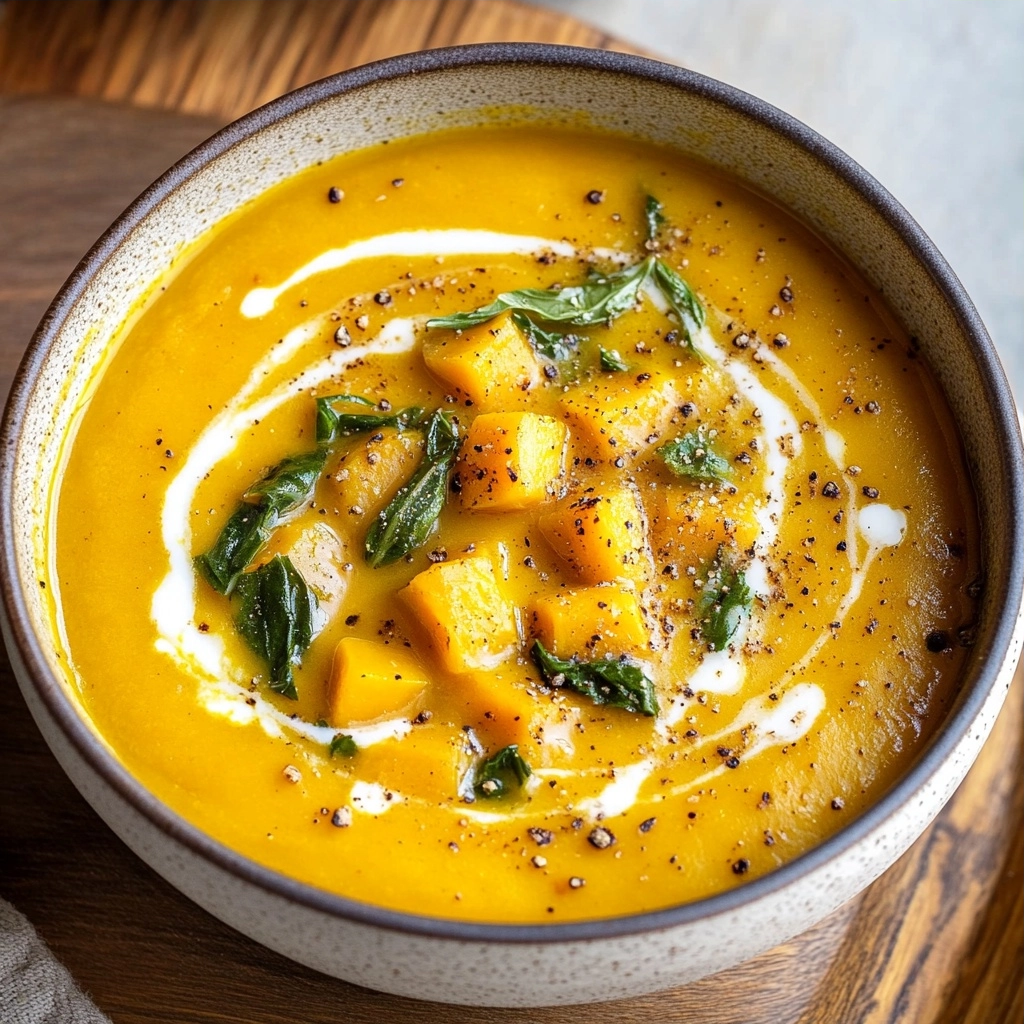
This soup is a centerpiece all on its own. Serve it in deep bowls topped with a swirl of extra coconut milk and a handful of toasted pepitas for a satisfying crunch. It pairs beautifully with a simple side salad of arugula and pomegranate seeds or a slice of crusty, toasted sourdough bread. It is an ideal meal for a cozy weeknight dinner or even a festive Thanksgiving starter.
Storage and Reheating
Refrigerator: Store leftovers in an airtight glass container for up to 4 days. The flavors often improve the next day.
Freezer: This soup freezes wonderfully! Let it cool completely, then portion it into freezer-safe bags or containers for up to 3 months.
Reheating: Reheat on the stovetop over low heat, stirring occasionally. If it gets a bit too thick after refrigeration, add a tiny splash of water or broth to bring it back to your desired consistency.
Nutritional Values
- Calories: 132kcal
- Protein: 2g
- Carbohydrates: 18g
- Fat: 6g
- Fiber: 2g
Approximate values.
Frequently Asked Questions (FAQ)
Can I use pumpkin instead of kabocha squash?
Yes, you can substitute sugar pumpkin or even acorn squash in this recipe. Just keep in mind that kabocha has a unique chestnut-like flavor that is slightly sweeter and drier than other varieties.
How do I know when the squash is perfectly roasted?
The squash is done when a fork pierces through the flesh with zero resistance and the edges have turned a deep, golden brown. That browning indicates the natural sugars have caramelized, which is vital for the final flavor.
My soup turned out too thick, what should I do?
If the consistency is too thick for your preference, simply add more broth or water a quarter-cup at a time while blending. Do this slowly until you reach the exact texture you love.
Can I make this soup a day ahead of time?
Absolutely, this is one of those soups that tastes even better after the flavors have had time to sit in the fridge overnight. It makes for an incredibly easy “reheat and eat” lunch the following day.
What are the best garnishes to level up the presentation?
To really make it pop, top your bowl with toasted pumpkin seeds, a swirl of full-fat coconut milk, a tiny pinch of smoked paprika, or some fresh chopped parsley for a bright contrast.
Conclusion
Roasted Kabocha Squash Soup is the perfect celebration of seasonal ingredients, bringing warmth and comfort to your kitchen with every single bowl. By taking the extra step to roast your squash, you unlock a depth of flavor that is truly special and deeply nourishing for the whole family. I hope this recipe becomes as much of a staple in your home as it is in mine, reminding you that sometimes the simplest ingredients create the most lasting memories around the table.
Print
Roasted Kabocha Squash Soup
- Prep Time: 20
- Cook Time: 55
- Total Time: 75
- Yield: 6 servings 1x
- Category: dinner
- Method: Roasting and Simmering
- Cuisine: Fusion
- Diet: Vegan, Paleo, Whole30
Description
Roasted Kabocha Squash Soup is the ultimate comforting fall meal. This velvety, golden soup relies on the natural, chestnut-like sweetness of Japanese kabocha squash, enhanced by roasting to unlock deep, caramelized notes. Naturally creamy and plant-forward, this dish uses coconut milk for a silky mouthfeel rather than heavy dairy. It is a nutritious, Whole30 and Paleo-compliant powerhouse that is easy to prepare and perfect for busy weeknights or cozy gatherings.
Ingredients
3.5 pounds kabocha squash
2 tablespoons avocado oil
1/2 tablespoon kosher salt
2 large leeks, cleaned and sliced
2 shallots, minced
1/2 teaspoon ground cinnamon
1/4 teaspoon ground nutmeg
4 cups vegetable broth
1 cup full-fat coconut milk
Toasted pumpkin seeds for garnish
Instructions
Preheat your oven to 400°F (200°C).
Cut the kabocha squash in half, remove the seeds, and brush the flesh with 1 tablespoon of avocado oil and a pinch of salt.
Place the squash cut-side down on a baking sheet and roast for 40-45 minutes until fork-tender.
While the squash roasts, heat the remaining oil in a large pot and sauté the leeks and shallots until soft.
Scoop the roasted squash flesh into the pot with the leeks and shallots.
Add the vegetable broth, cinnamon, and nutmeg; simmer for 10 minutes.
Use an immersion blender to process the soup until completely smooth.
Stir in the coconut milk and adjust seasoning with extra salt if needed.
Serve warm, topped with toasted pumpkin seeds.
Notes
Store leftovers in an airtight container in the refrigerator for up to 4 days or freeze for up to 3 months. For a smoother texture, pass the finished soup through a fine-mesh sieve. You can also garnish with fresh herbs or a drizzle of chili oil for extra depth.
Nutrition
- Serving Size: 1.5 cups
- Calories: 210
- Sugar: 4g
- Sodium: 450mg
- Fat: 12g
- Saturated Fat: 8g
- Carbohydrates: 26g
- Fiber: 5g
- Protein: 4g
- Cholesterol: 0mg